CEA8 Leg Post Directory

CEA 8 Leg 9

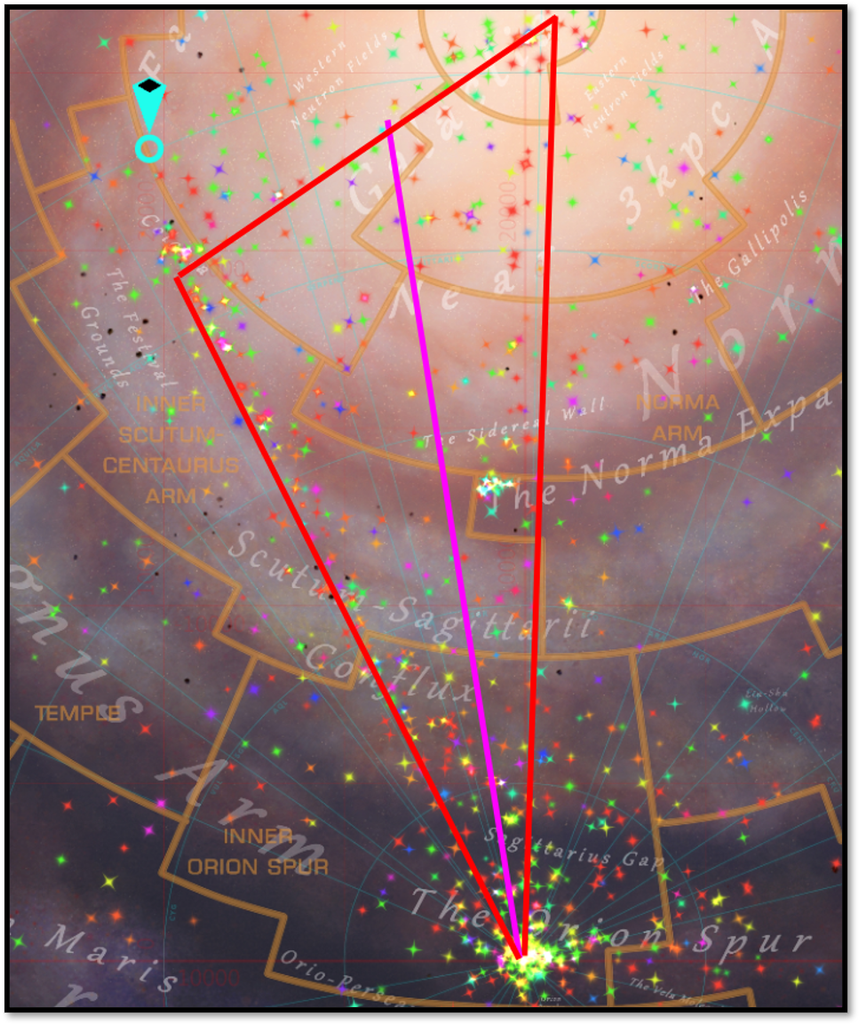
Here on the final leg of Celebration of Early Astronomy 8, we go northwesterly before looping back down towards our final basecamp in Bubble Nebula, as a result the basecamp line for this leg is much shorter than the distance including the waypoints in general, that way if people are running behind from prior legs making it to the basecamp for the final celebration mass jumps will be more reasonable distance to cover.

Dates

Start Date: August 9, 2026
End Date: August 16, 2026

Distances

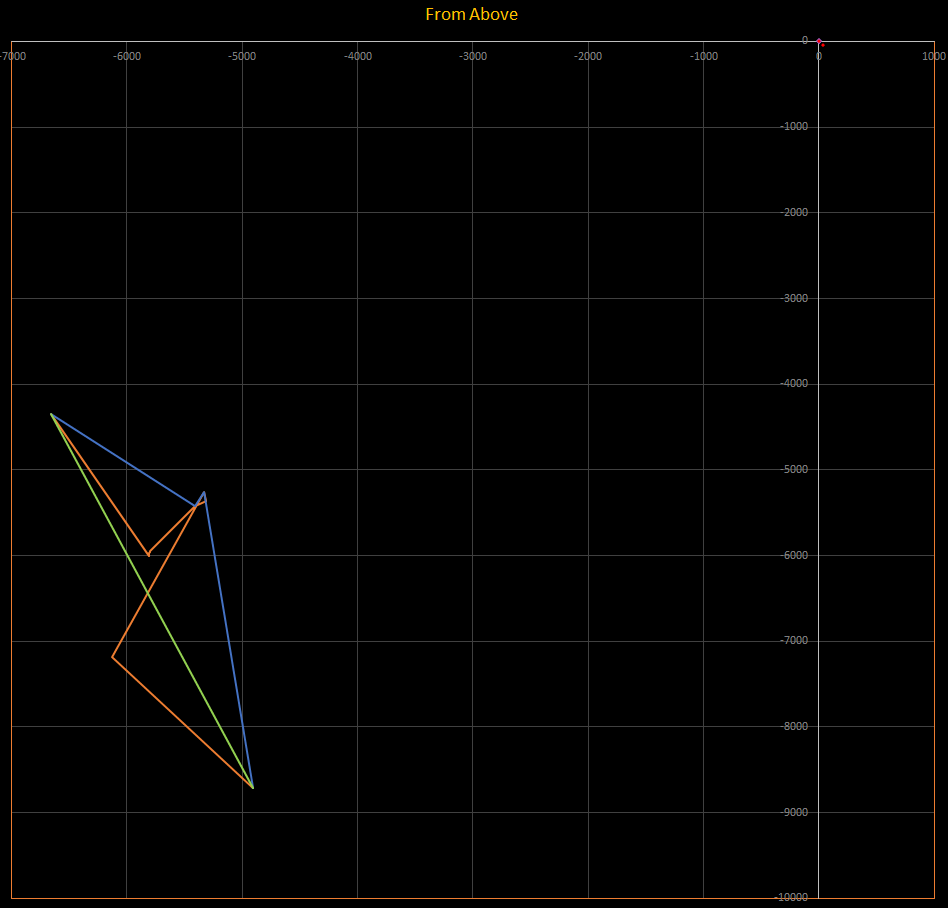
Basecamp Line: 1,895.03 Ly
Main Waypoints: 7,233.41 Ly
Optional Waypoints: 7,894.04 Ly

Map, (click for full size):

Basecamp: Bubble Sector PD-S B4-4

Main Waypoints

  • Map References quick reference list, more details below
    • NGC 7538 Sector LC-V c2-17
    • CSI+50-22218
    • NGC 7380 MOF 10
    • Bubble Sector PD-S B4-4

Main Waypoints Details

  • Map Reference: NGC 7538 Sector LC-V c2-17
  • Map Reference: CSI+50-22218
    • POI: IC 5217
    • IC 5217 is a planetary nebula in the Lacerta constellation region os the sky as seen from Earth. This nebula was first discovered in 1904 by Williamina Fleming. The central star, CSI+50-22218 is a Wolf-Rayet star with spectral type WC7.
    • SIMBAD Link
    • EDSM Link
  • Map Reference: NGC 7380 MOF 10
    • POI: NGC 7380
    • NGC 7380 is a young open cluster in the Cepheus constellation of the sky as seen from Earth. It was first discovered by Caroline Herscel in 1787. It is contained within the emission nebula known as Wizard Nebula.

      There are only three stars of this cluster in the in-game galaxy version of the cluster, NGC 7380 MOF 10, NGC 7380 21, and NGC 7380 MOF 9, so the other two have been listed as additional waypoints for reference.

      NGC 7380 MOF 10 and NGC 7380 MOF 9 are both variable stars, whereas NGC 7380 21 is not a variable star.

      The SIMBAD link for the NGC 7380 cluster as a whole is: https://simbad.u-strasbg.fr/simbad/sim-basic?Ident=NGC+7380
    • SIMBAD Link
    • EDSM Link
  • Map Reference: Bubble Sector PD-S B4-4
    • POI: Bubble Nebula
    • The Bubble Nebula, also known as NGC 7635 is an emission nebula in the Cassiopeia region of the sky. It is formed from stellar wind from the central star BD+60 2522. (For whatever reason however in the in-game galaxy it placed that star nearly 5,000 Ly away from the bubble nebula)

      While BD+60 2522 is around two million years old, the Bubble Nebula is only about 40,000 years old. It is hypothesised that the bubble formed as a shock front where stellar wind meets interstellar material at supersonic speeds as the wind from the star travels outwards at between 1,800 to 2,500 kilometers per second.

      Multiple SIMBAD links are relevant to this waypoint:
    • SIMBAD Link
    • EDSM Link

Additional Waypoints

  • Map References quick reference list, more details below
    • NGC 7538 Sector LC-V c2-17
    • CSI+50-22218
    • Ootosps UR-H d11-17
    • NGC 7380 MOF 10
    • NGC 7380 21
    • NGC 7380 MOF 9
    • NGC 7380 Sector WC-D b15-3
    • Bubble Sector PD-S B4-4

Optional Waypoints Details

  • Map Reference: Ootosps UR-H d11-17
    • POI: (NC) Four Strings
    • This system is the GEC POI named “Four Strings” submitted by CMDR EekaDroid on behalf of CMDR Gallaghar.

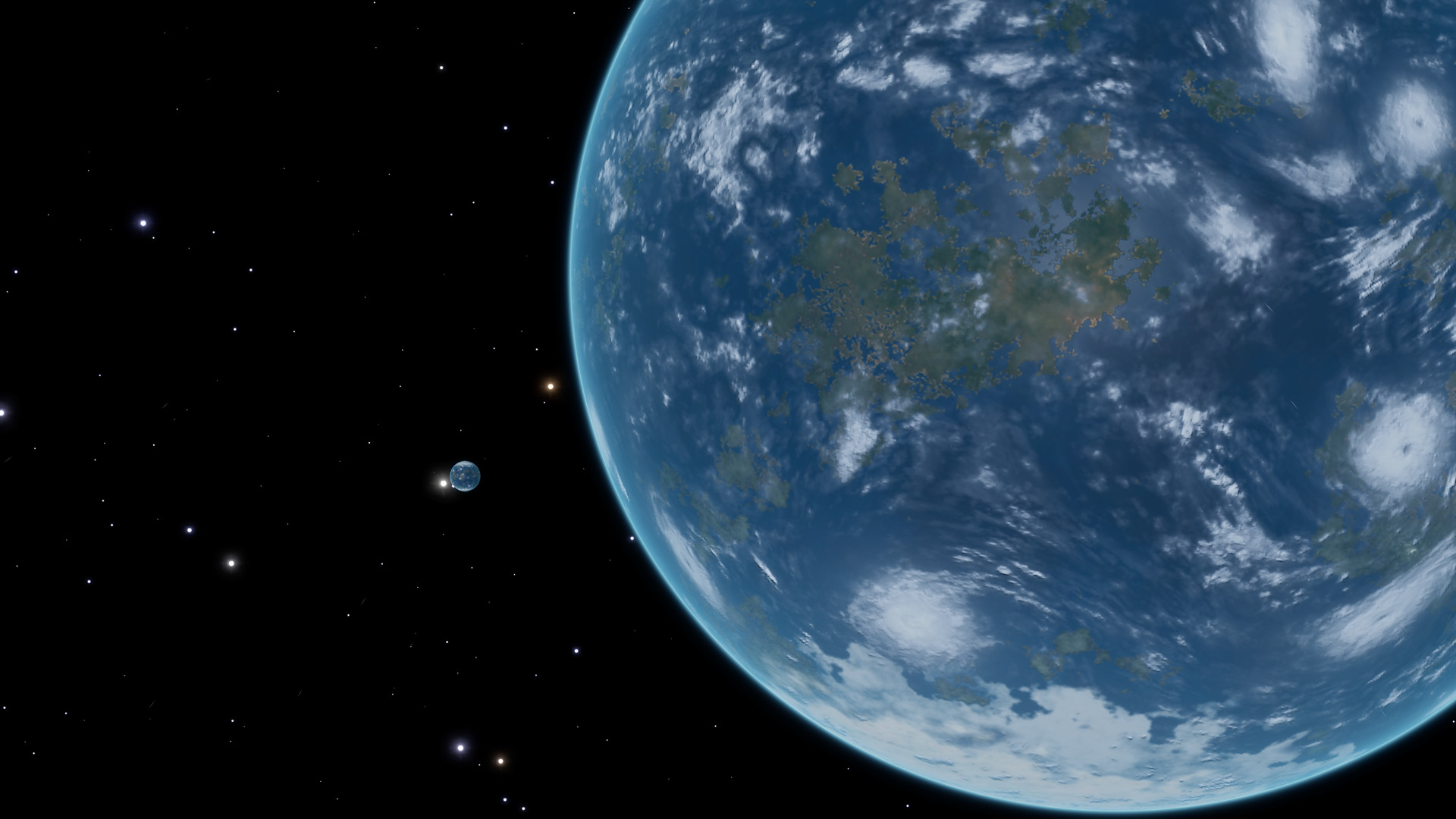
      Summary: An extreme rarity: four Earth-like worlds, in three different orbital configurations.

      Description: Systems which house four Earth-like Worlds are extremely rare: only five are known as of 3309/05/12, including this one.


      There are five stars in the system, each with their own assortment of planets.

      The first one is a class A blue-white star, which has a number of planets. The Earth-like world around this one (A 7) is quite hospitable, but the other planets have extremely hot and thick atmospheres.

      The second star has two Earth-likes (B 3 & 4), as a close-orbiting binary pair:

      For some added variety, the fourth Earth-like World in the system, DE 4, has a landable rocky moon of its own.

      Additionally, there are six terraformable High Metal Content worlds around the various stars.

      Lastly, there are two Water Worlds in the system, which are unfortunately not terraformable. Still, they provide some welcoming views, with their atmospheres (Ammonia and Nitrogen, respectively) shifting the colour of the blue oceans.
    • EDAstro Link
  • Map Reference: NGC 7380 21
    • POI: NGC 7380
    • NGC 7380 is a young open cluster in the Cepheus constellation of the sky as seen from Earth. It was first discovered by Caroline Herscel in 1787. It is contained within the emission nebula known as Wizard Nebula.

      There are only three stars of this cluster in the in-game galaxy version of the cluster, NGC 7380 MOF 10, NGC 7380 21, and NGC 7380 MOF 9, so the other two have been listed as additional waypoints for reference.

      NGC 7380 MOF 10 and NGC 7380 MOF 9 are both variable stars, whereas NGC 7380 21 is not a variable star.

      The SIMBAD link for the NGC 7380 cluster as a whole is: https://simbad.u-strasbg.fr/simbad/sim-basic?Ident=NGC+7380
    • SIMBAD Link
    • EDSM Link
  • Map Reference: NGC 7380 MOF 9
    • POI: NGC 7380
    • NGC 7380 is a young open cluster in the Cepheus constellation of the sky as seen from Earth. It was first discovered by Caroline Herscel in 1787. It is contained within the emission nebula known as Wizard Nebula.

      There are only three stars of this cluster in the in-game galaxy version of the cluster, NGC 7380 MOF 10, NGC 7380 21, and NGC 7380 MOF 9, so the other two have been listed as additional waypoints for reference.

      NGC 7380 MOF 10 and NGC 7380 MOF 9 are both variable stars, whereas NGC 7380 21 is not a variable star.

      The SIMBAD link for the NGC 7380 cluster as a whole is: https://simbad.u-strasbg.fr/simbad/sim-basic?Ident=NGC+7380
    • SIMBAD Link
    • EDSM Link
  • Map Reference: NGC 7380 Sector WC-D b15-3
    • POI: (NC) Waltz of Castor & Pollux
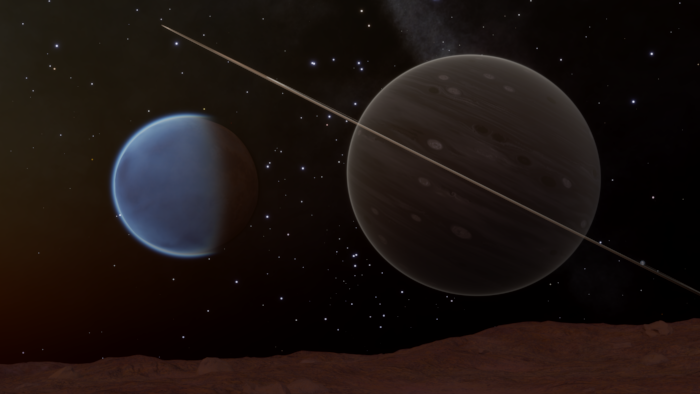
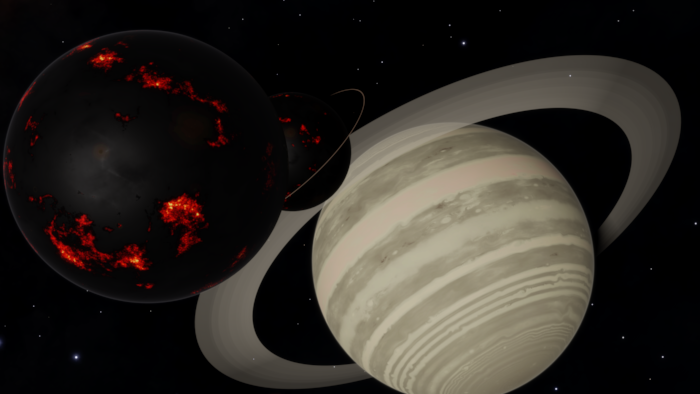
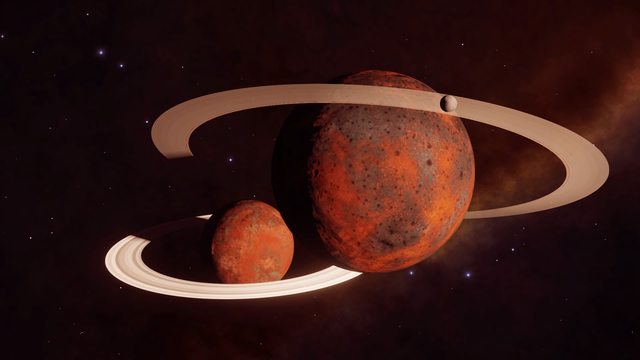
    • This system is the GMP POI known as “Waltz of Castor & Pollux” which is described as follows: Castor (planet 1) and Pollux (planet 2) are both landable HMC worlds with beautiful rings and contain geological sites. Castor has a small moon (1A) with mountains. Those three bodies are orbiting their M class star at only 8.3LS, and both planets have a tiny orbital period of 0.7 days, with the moon orbiting in just 0.3 days.


      Castor & Pollux are twins brother In Greek mythology, they share a bond so strong that when Castor dies, Pollux gives up half of his immortality to be with his brother. Considering that those 2 bodies are very close each other, we can see them as inseparable twin brother. The idea of the “waltz” is to represent the movement of their small and circular orbital periods.

    • EDSM Link

CEA 8 Leg 8

For Leg 8 we are getting back into more explored space with more points of interest to hit, and we also have a project for the group! Colonization of Early Astronomy!

Colonization efforts have reached Heart & Soul Nebulae and we would like to make a deep space exploration depot for our faction, C.E.A. Psychiatric Institutions Ltd. in the Soul Nebula. The claim has already been set down in Heart Sector IH-V c2-2

Dates

Start Date: August 2, 2026
End Date: August 9, 2026

Distances

Basecamp Line: 4,752.25 Ly
Main Waypoints: 5,618.35 Ly
Optional Waypoints: 7,908.67 Ly

Map, (click for full size):

Basecamp: BD+55 191

Main Waypoints

  • Map References quick reference list, more details below
    • Heart Sector IH-V c2-2
    • RS Persei
    • BD+55 191

Main Waypoints Details

  • Map Reference: Heart Sector IH-V c2-2
    • POI: Heart and Soul Nebulae + Project Colonization of Early Astronomy
    • This is a pair of nebulae very close to each other. First is the Heart Nebula, aka Westerhout 4. An emission nebula in the Persues Arm of the Mily Way, and in the Cossiopeia constellation of the sky. Within the nebula is a bright open cluster of stars known as Collinder 26 and contains a few bright stars nearly 50 times the mass of our sun, as well as many more dim stars. The size of the nebula in the night sky is nearly 2 degrees of arc, making it nearly four times the size in the night sky as the full moon.

      The second nebula is the Soul Nebula, also known as Westerhout 5. It is also an emission nebula like the Heart Nebula. Near the nebula in the night sky can also be seen the galaxies Maffei 1 and Maffei 2 of the Maffei Group. Soul Nebula is one of the most studied nebula in the field of star formation, due to it’s angle to us and ease of seeing the gas cavities and stellar formation areas allowing sceintists to easily see how gas cavities formed from the stellar winds of a star’s birth compress gasses together from other cavities leading to a chain reaction of stellar formation.

      The nebulae as a pair are known as the W3/W4/W5 Region.

      Multiple SIMBAD Links are relevant to this waypoint:
    • Project Colonization of Early Astronomy
      • Our “Colonization of Early Astronomy” project is located in this system. We are aiming to build a Coriolis station in this system with a relay installation strong link to enable Universal Cartographics and Vista Genomics at a deep space station for our minor faction, C.E.A. Psychiatric Institutions Ltd. Be a part of building a lasting legacy for Celebration of Early Astronomy 8!

        The Raven Colonial page for the project can be found at https://ravencolonial.com/#sys=Heart%20Sector%20IH-V%20c2-2

    • SIMBAD Link
    • EDSM Link
  • Map Reference: RS Persei
    • POI: NGC 884 Cluster
    • Red Supergiant located in the Double Cluster in the Perseus constellation. In the game galaxy version it is orbited by a landable planet so close that you can fuel scoop while in orbital flight.

      Caldwell 14 also known as NGC 884, or Chi Persei is an open cluster in the Perseus constellaton region of the sky as seen from Earth. it is the east component of the Double Cluster with NGC 869, also known as h Persei. The clusters were first recorded by Hipparchus of Nicaea at an unknown specific date sometime during his estimated lifetime between roughly 190 and 120 BC.
    • SIMBAD Link
    • EDSM Link
  • Map Reference: BD+55 191
    • POI: NGC 281
    • NGC 281, also known as Pacman Nebula is an emission nebula in the Cassiopeia region of the sky as seen from Earth. It was dirst discovered by Edward Emerson Barnard in August 1883.
    • SIMBAD Link
    • EDSM Link

Additional Waypoints

  • Map References quick reference list, more details below
    • Phrio Hypue AA-A h0
    • Heart Sector IH-V c2-2
    • Heart Sector YJ-A c9
    • RS Persei
    • Eafots RA-G B11-0
    • Eafots LZ-H B10-0
    • Eafots EU-R C4-1
    • Eafots GL-Y E2
    • BD+55 191

Optional Waypoints Details

  • Map Reference: Phrio Hypue AA-A h0
    • POI: (NC) Three Angels of Death
    • This system is the GMP POI known as “Three Angel’s of Death”, it is described as such: A system that only contains three black holes. Two of the black holes are less than 0.01 AU from each other and have an orbital period of 0.1 D. The third black hole is fairly close by as well with an orbital period of 4.4 D. The central black hole has the mass of 29 solar masses. The three angels of death are named Abaddon, also called Apollyon, which is the destroying angel in Book of Revelation in the New Testament, Azrael, also known as Malak al-Maut from Islam, and Mot, angel of death from the Hebraic Book of Habakkuk.

    • EDSM Link
  • Map Reference: Heart Sector YJ-A c9
    • POI: (NC) Mount Pallas
    • This system is the GMP POI known as Mount Pallas. Described as:

      Planetary Coordinates: -75.1632, 175.7912 Discovered during the Artemis Biological Survey expedition, this particular mountain range of the system’s fifth body (A5) can be seen from space. At very high altitudes, the icy pole of the planet can be seen surrounded by the mountain barrier, which ends in a singular peak rising above the horizon, crossing two different biological biomes. It reaches a height of over 9 kilometers. From the top, we can clearly see the different features of the planet. However, this is only accessible with a small ship. On the other side is a dark plain as far as the eye can see. But, if you look up to the sky you can see a beautiful starry sky and Heart and Soul nebulae.

      Located on a high metal content stellar body, the surface temperature varies between 116k and 227k. Atmosphere type is carbon dioxide (99.0% carbon dioxide and 1.0% sulphur dioxide). It is composed of three different exobiological species rather common in worlds of the same type (Tussock Ignis, Stratum Tectonicas, Bacterium Aurasus).

      Named Mount Pallas in reference to Greek mythology. Pallas was one of the Gigantes (Giants), the offspring of Gaia, born from the blood of Uranus. According to the mythographer Apollodorus, during the Gigantomachy, the cosmic battle of the Giants with the Olympian gods, he was flayed by Athena. If you fall from above, there is a risk of flaying. Caution should be exercised.

    • EDSM Link
  • Map Reference: Eafots RA-G B11-0
    • POI: (NC) Formidine Rift Gamma Settlement
    • One of four lore related abandoned settlements out in the Formidine Rift region related to the lore of The Club.

      A badge is able to be unlocked for users of EDSM by visiting any system within the “Eafots” sector, which this system would count for.
    • EDSM Link
  • Map Reference: Eafots LZ-H B10-0
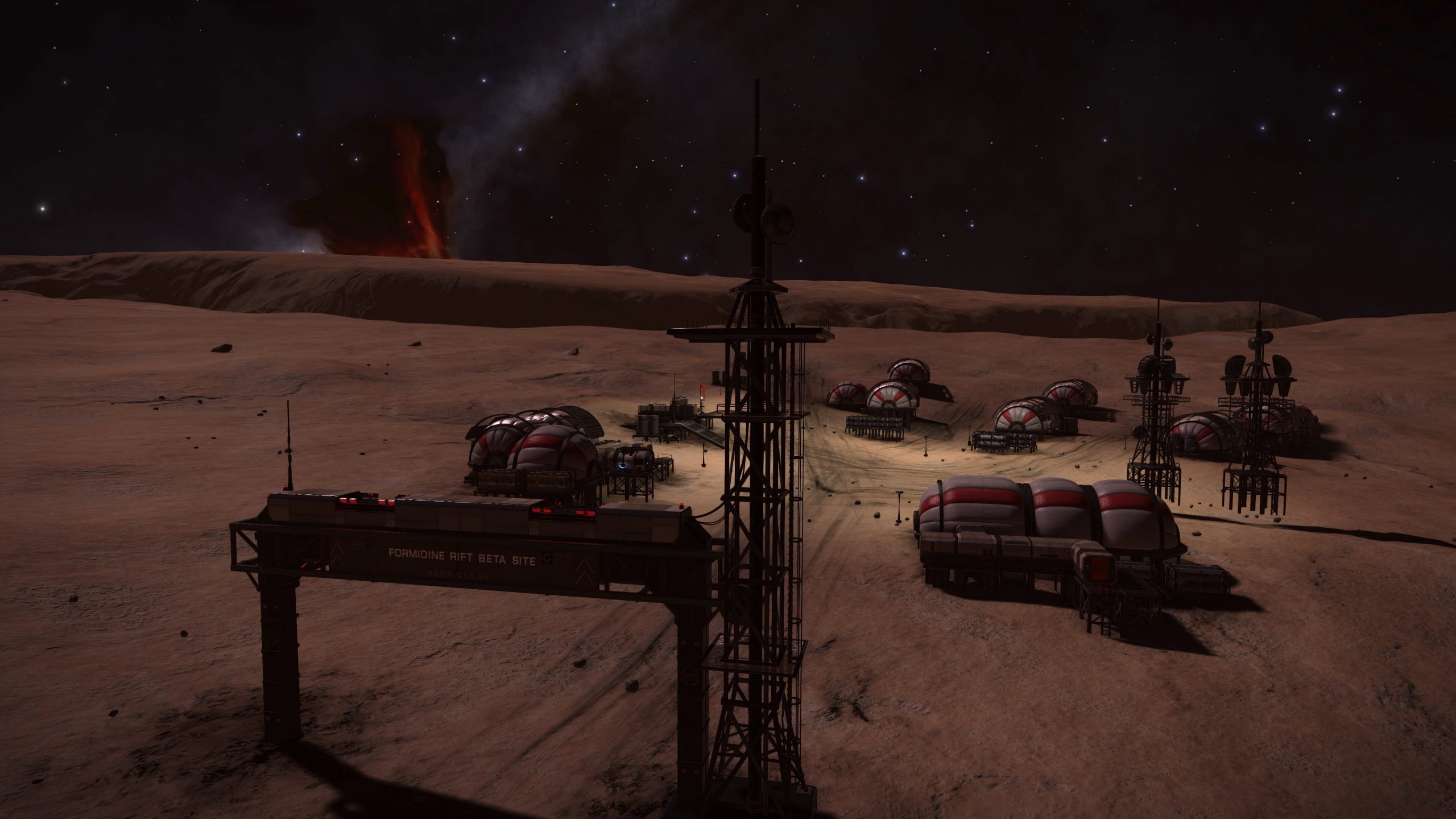
    • POI: (NC) Formidine Rift Beta Settlement
    • One of four lore related abandoned settlements out in the Formidine Rift region related to the lore of The Club.

      A badge is able to be unlocked for users of EDSM by visiting any system within the “Eafots” sector, which this system would count for.

    • EDSM Link
  • Map Reference: Eafots EU-R C4-1
    • POI: (NC) Formidine Rift Alpha Settlement
    • One of four lore related abandoned settlements out in the Formidine Rift region related to the lore of The Club.
    • A badge is able to be unlocked for users of EDSM by visiting any system within the “Eafots” sector, which this system would count for.
    • EDSM Link
  • Map Reference: Eafots GL-Y E2
    • POI: (NC) Formidine Rift Delta Settlement
    • One of four lore related abandoned settlements out in the Formidine Rift region related to the lore of The Club.

      A badge is able to be unlocked for users of EDSM by visiting any system within the “Eafots” sector, which this system would count for.
    • EDSM Link

CEA 8 Leg 7

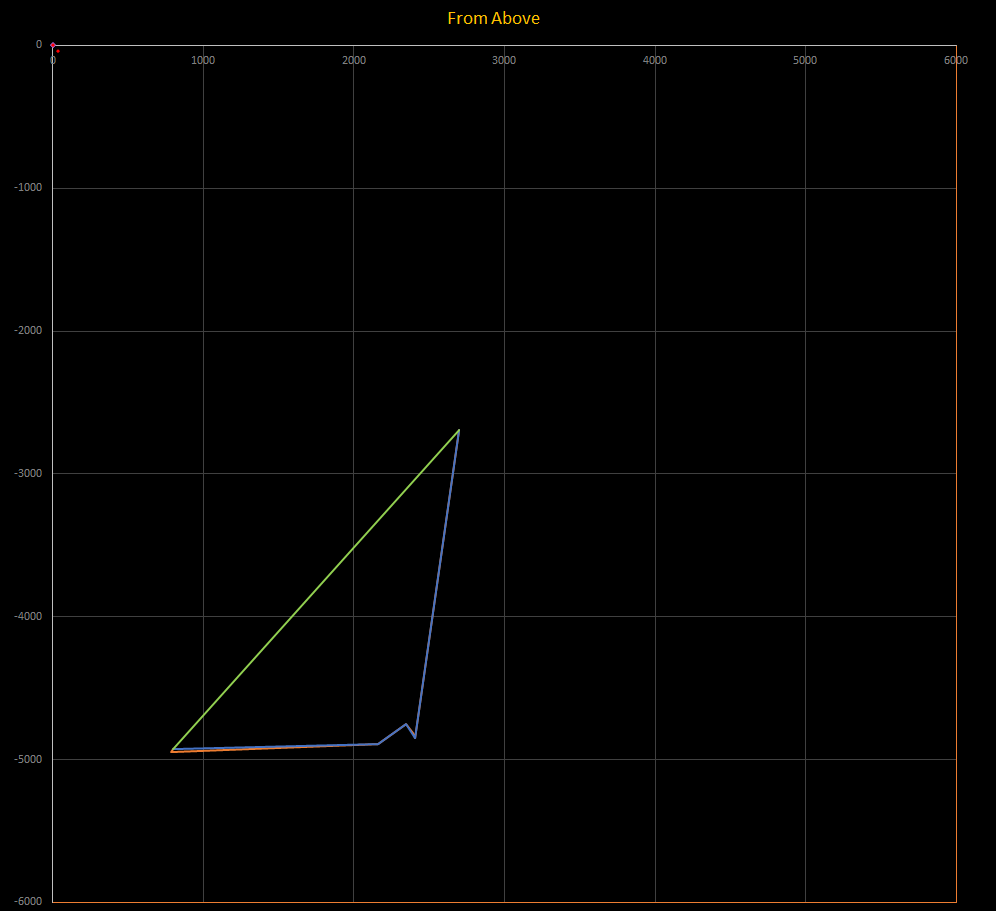
Leg 7 is another leg through this sparsely explored region. We encourage much deeper exploration of this region due to lack of publically known POIs.

Dates

Start Date: July 26, 2026
End Date: August 2, 2026

Distances

Basecamp Line: 4,183.61 Ly
Main Waypoints: 4,183.61 Ly
Optional Waypoints: 4,742.45 Ly

Map, (click for full size):

Basecamp: NGC 1491 Sector EB-X c1-3

Main Waypoints

  • Map References quick reference list, more details below
    • NGC 1491 Sector EB-X c1-3

Main Waypoints Details

  • Map Reference: NGC 1491 Sector EB-X c1-3
    • POI: NGC 1491 Nebula and Cluster
    • NGC 1491, also known as the Fossil Footprint Nebula is an emission nebula located roughly 9,800 Ly from Earth in the Persues constellation region of the night sky. It was discovered in 1790 by William Herschel.
    • SIMBAD Link
    • EDSM Link

Additional Waypoints

  • Map References quick reference list, more details below
    • Dryoi Eaec HF-C d14-3
    • Schee Hypue IF-A c3-0
    • NGC 1491 Sector EB-X c1-3

Optional Waypoints Details

  • Map Reference: Dryoi Eaec HF-C d14-3
    • POI: (NC) Thargoid’s Teeth
    • This system is the GEC POI known as “Thargoid’s Teeth” as submitted by CMDR PhoenixBlue on behalf of CMDR RoyalKnight557

      Summary: Two moons with crystalline shards orbit a ringed Ammonia World in this system.

      Description: Situated about 1,150 light-years East of the NGC 1491 Nebula, this system contains a ringed Ammonia World with two moons, both of which are home to Crystalline Shard fields. Carbon dioxide geysers dot the surface of B 7 a, while B 7 b features ammonia-based volcanism.

      The crystalline shards on both moons yield ruthenium. The shards on B 7 a seem to populate the flat portions of the moon’s surface, while they’re more populous in the highlands of B 7 b.

      In addition to the exobiology payout from sampling the crystalline shards, their ruthenium deposits can be used for premium Automated Field Maintenance Unit module reload synthesis.

      The name of this point of interest is inspired by dragon’s teeth fortifications, first used to impede tanks and infantry vehicles in World War II. Clusters of crystalline shards have been known to similarly impede surface reconnaissance vehicles.

    • EDAstro Link
  • Map Reference: Schee Hypue IF-A c3-0
    • POI: (NC) Stones From The Sky
    • This system is the GEC POI known as “Stones from the Sky” as submitted by CMDR Tan Dava on behalf of CMDR Stonsen88

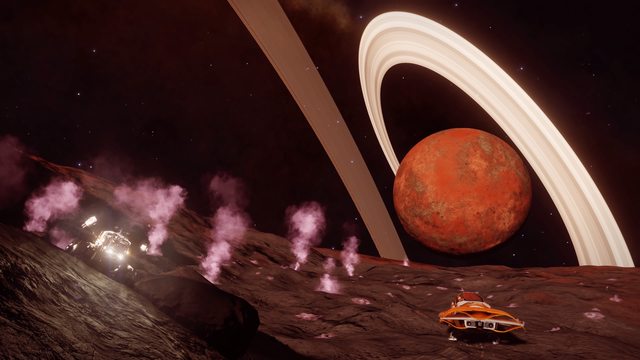
      Summary: A satellite (2 a) of a gas giant located so close to its parent’s rings that the asteroids can be seen passing by from the moon’s surface.

      Description: The second planet in this system is a ringed gas giant, and its first moon (2 a) is about 200 km away from the outer edge of the ring system. This distance is short enough that explorers disembarking on the moon’s surface can distinguish individual asteroids, without any visual aid.

      The moon has geological activity, in the form of major water geysers, and a comparatively low gravity of 0.11 g.

      The system has a few other gas giants, each with moons of their own, but nothing is notable about them.

    • EDAstro Link

CEA 8 Leg 6

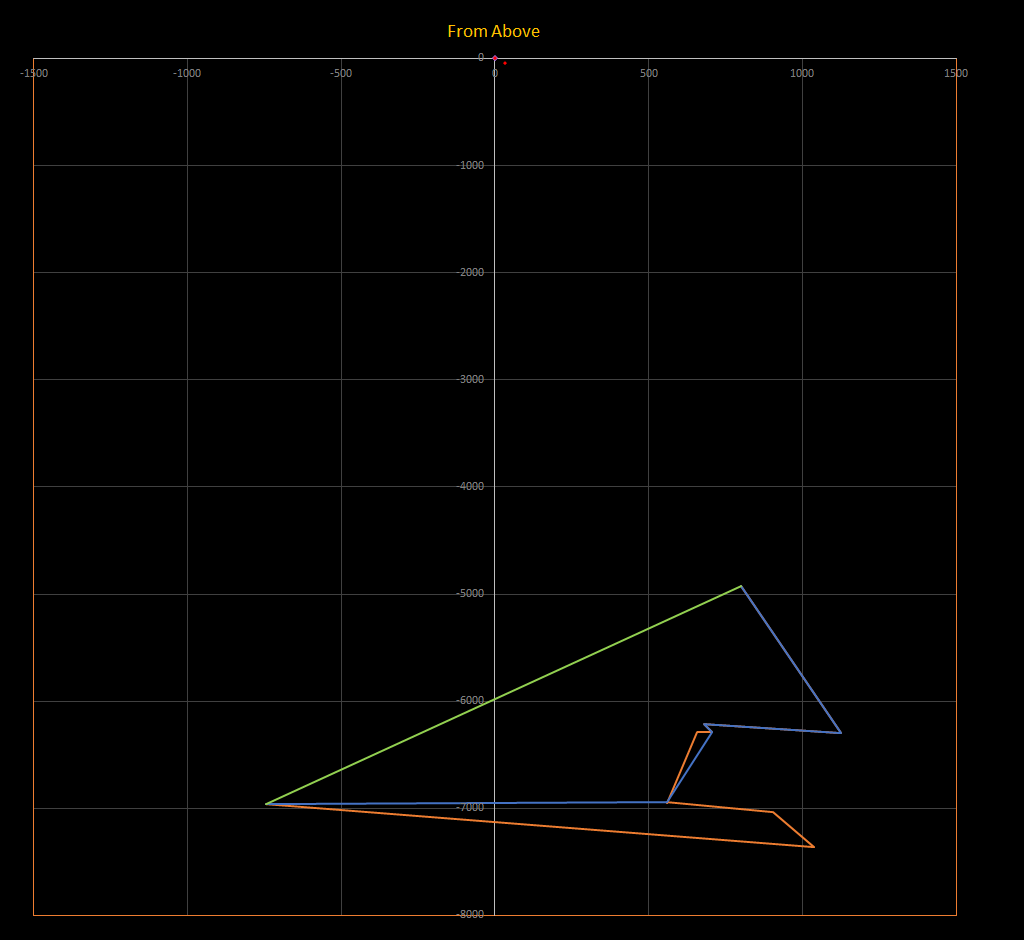
Leg 6 of the expedition returns back on itself, covering much of the same area as the latter half of Leg 5, but angling slightly back and ending up at the NGC 1893 cluster. We encourage deeper exploration of this region during this leg to seek more POIs for this region that has not been well explored for submission to catalogs like GEC. Due to the limited existing POIs for this region this leg does not have many POIs arranged.

Dates

Start Date: July 19, 2026
End Date: July 26, 2026

Distances

Basecamp Line: 5,321.36 Ly
Main Waypoints: 5,329.52 Ly
Optional Waypoints: 5,329.85 Ly

Map, (click for full size):

Basecamp: NGC 1893 CF 43

Main Waypoints

  • Map References quick reference list, more details below
    • Hyueths HS-H d11-5
    • NGC 1893 CF 43

Main Waypoints Details

  • Map Reference: Hyueths HS-H d11-5
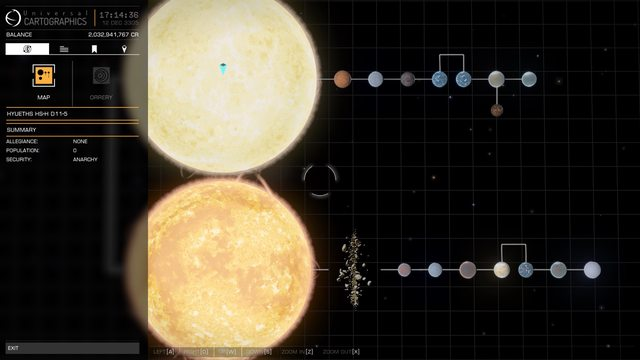
    • POI: (NC) 2 ELW Binary
    • This systems is the GMP POI known as “The Twins’ Garden”, it is described as such: Situated in a rather sparse region, with few habitable planets around, this system has a wide variety of worlds orbiting its two stars. The most striking are the two binary Earth-likes orbiting each other, but there is also a nearby ammonia world orbiting a planet as its moon. The more distant second star has two water worlds orbiting it, one which has an ammonia atmosphere: both are candidates for terraforming.

      Additionally this system is home to the DSSA carrier named DLNV Leo’s Vision.

    • EDSM Link
  • Map Reference: NGC 1893 CF 43
    • POI: NGC 1893 Cluster
    • NGC 1893 is an open cluster in the Auriga constellation region of the night sky as seen from Earth. Roughly 12,400 light years from our solar system (although 10,750 in game). It is located within an emission nebula IC 410, also known as the Tadpole Nebula.

      The Tadpole Nebula is very close in the sky to the Flaming Star Nebula from Leg 1 of our expedition, however in distance much further with the Flaming Star Nebula being only 1,500 Ly from earth and Tadpole Nebula being roughly 12,400 Ly from Earth. They are often imaged together though due to being so close to each other in the sky from our perspective.
    • SIMBAD Link
    • EDSM Link

Additional Waypoints

  • Map References quick reference list, more details below
    • Hyueths HS-H d11-5
    • TYC 2394-144-1
    • NGC 1893 CF 43

Optional Waypoints Details

  • Map Reference: TYC 2394-144-1
    • POI: NGC 1893 Cluster Start
    • This system denotes the other end of the NGC 1893 cluster from TYC 2394-144-1
    • SIMBAD Link
    • EDSM Link

CEA 8 Leg 5 (Two Weeks)

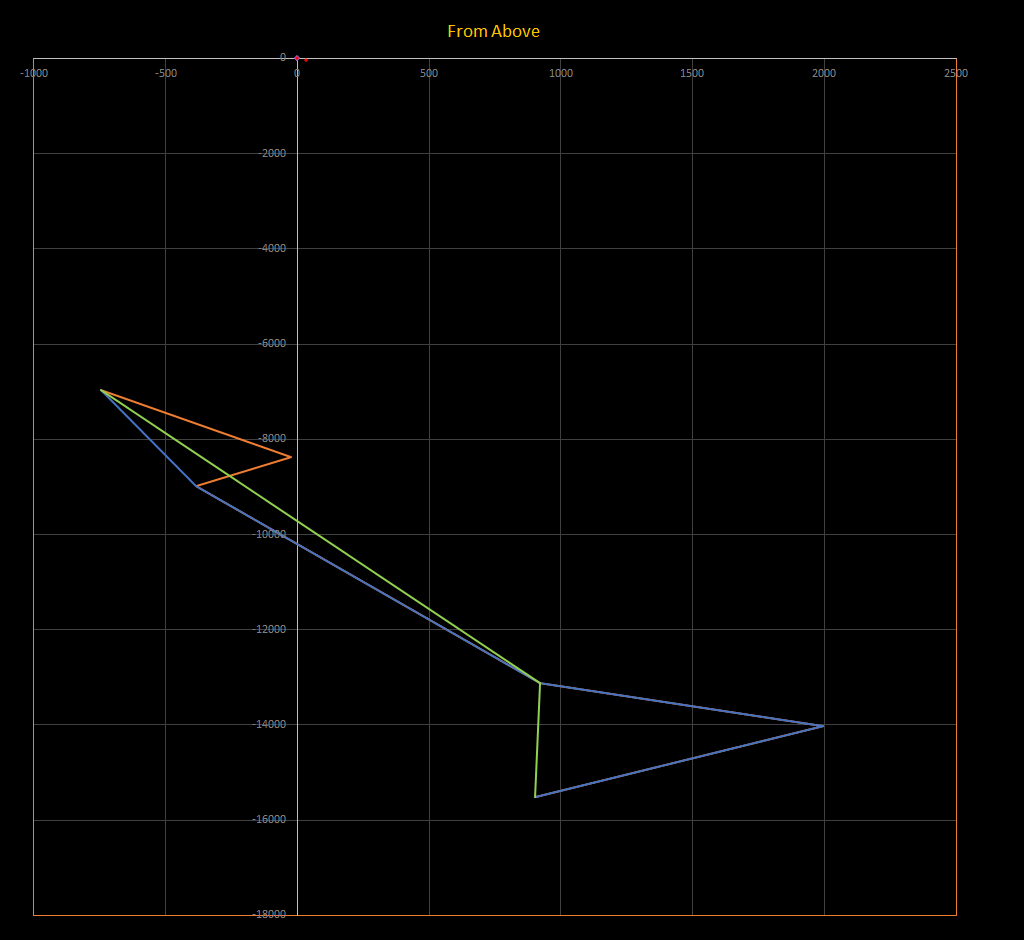
We now launch into Leg 5, which will take us all the way to HD 39340, the furthest south real star in the in-game galaxy. Due to the sparseness of points of interest along this leg and the distance needed this leg is spread across two weeks to encourage deeper exploration of the region with the hopes that members can find new interesting POIs for submission to catalogs such as the GEC. There will be a midway basecamp the carriers will stop over at for the first week before continuing along.

As mentioned in the FAQ (https://theexpedition.info/faq) in order to reach HD 39340 you need to be able to make a 77.06 Ly gap along the route. That means the minimum base jump range you’ll need for your ship is 38.54 if you’re able to use Premium FSD Injection. Near the end of the leg we will arrange one of the carrier to perform shuttling service past that gap for those that need it.

Dates

Start Date: July 5, 2026
End Date: July 19, 2026

Distances

Basecamp Line: 8,790.79 Ly (4,395.36 Ly per week)
Main Waypoints: 9,856.27 Ly (4,928.14 Ly per week)
Optional Waypoints: 10,097.88 Ly (5,048.94 Ly per week)

Map, (click for full size):

Midway Basecamp: Eok Hypue ZO-Z b33-0
Final Basecamp: HD 39340

Main Waypoints

  • Map References quick reference list, more details below
    • Gongae QW-L c24-0
    • Eok Hypue ZO-Z b33-0
    • 3 Geminorum
    • HD 39340

Main Waypoints Details

  • Map Reference: Gongae QW-L c24-0
    • POI: (NC) Dreamer Blush
    • This is the Glowing Green Gas Giant designated as “Dreamer’s Blush” in the GEC.
    • Summary: A magnificent ringed glowing green gas giant with deep purple clouds in the Kepler’s Crest region.

      Description: A magnificent ringed glowing green gas giant with deep purple clouds in the Kepler’s Crest region. Its bright colours shine on the dark velvet of space of this inter-arm region. Land near Silicate Vapour Geysers on planet 2 b a for an astounding and colorful view. This scenery is known for renewing the inspiration and dreams of any tired explorer.
    • EDAstro Link
    • EDSM Link
  • Map Reference: Eok Hypue ZO-Z b33-0
    • POI: (NC) Colliding Rings
    • This is a system with colliding rings between bodies 1 and 2 that was found using The Explorarium tool.

      The rings of the two bodies will collide ever 5 hours, 49 minutes and 12 seconds due to their orbital alignments. Niamh Kaminari scouted the firsrt known confirmed collision of these rings at March 3rd 2026 at 03:05:09 UTC. The times for the month of July calculated out from that first known time can be found at this link: Eok Hypue ZO-Z b33-0 Collision Clock
    • EDSM Link
  • Map Reference: 3 Geminorum
    • Blue supergiant in the constellation Gemini. It was found to be an Alpha Cygni Variable star in 1998 and also given the designation PU Geminorum, and it varies by a few tenths of a magnitude on a period of 3.81 days. 3 Geminorum is a double star with it’s second star being about 2.5 magnitudes fainter.
    • SIMBAD Link
    • EDSM Link
  • Map Reference: HD 39340
    • POI: Southernmost Catalog Star
    • HD 39340 is a main sequence star in the Columba constellation region of the night sky. It is a Be Star, which is a non-supergiant B class main sequence star that had (or has had) Balmer Emission Lines, which is chemically peculiar for B class stars outside of supergiant B class stars.
    • SIMBAD Link
    • EDSM Link

Additional Waypoints

  • Map References quick reference list, more details below
    • Schadgae LD-K c8-0
    • Gongae QW-L c24-0
    • Eok Hypue ZO-Z b33-0
    • 3 Geminorum
    • HD 39340

Optional Waypoints Details

  • Map Reference: Schadgae LD-K c8-0
    • POI: (NC) Jumponium Refill Depot before gap
    • Space will become sparse further ahead on the route as we go further south, this system contains Crystalline Shards with Yttrium on B 5 d for premium injections if you need a refill.
    • Materials can be found on the planets as follows
      • Yttrium
        • B 1 c
        • B 5 d
      • Polonium
        • B 2 a
      • Antimony
        • B 3 b
      • Ruthenium
        • B 3 c
    • EDSM Link

Eok Hypue ZO-Z b33-0 Collision Clock

These times are all the times for the month of July that the colliding rings in Eok Hypue ZO-Z b33-0 between bodies 1 and 2.

Other info

Rings of 2 orbit at -2.4242 degrees per minute.

7/1/2026 4:44:09 UTC
7/1/2026 10:33:21 UTC
7/1/2026 16:22:33 UTC
7/1/2026 22:11:45 UTC
7/2/2026 4:00:57 UTC
7/2/2026 9:50:09 UTC
7/2/2026 15:39:21 UTC
7/2/2026 21:28:33 UTC
7/3/2026 3:17:45 UTC
7/3/2026 9:06:57 UTC
7/3/2026 14:56:09 UTC
7/3/2026 20:45:21 UTC
7/4/2026 2:34:33 UTC
7/4/2026 8:23:45 UTC
7/4/2026 14:12:57 UTC
7/4/2026 20:02:09 UTC
7/5/2026 1:51:21 UTC
7/5/2026 7:40:33 UTC
7/5/2026 13:29:45 UTC
7/5/2026 19:18:57 UTC
7/6/2026 1:08:09 UTC
7/6/2026 6:57:21 UTC
7/6/2026 12:46:33 UTC
7/6/2026 18:35:45 UTC
7/7/2026 0:24:57 UTC
7/7/2026 6:14:09 UTC
7/7/2026 12:03:21 UTC
7/7/2026 17:52:33 UTC
7/7/2026 23:41:45 UTC
7/8/2026 5:30:57 UTC
7/8/2026 11:20:09 UTC
7/8/2026 17:09:21 UTC
7/8/2026 22:58:33 UTC
7/9/2026 4:47:45 UTC
7/9/2026 10:36:57 UTC
7/9/2026 16:26:09 UTC
7/9/2026 22:15:21 UTC
7/10/2026 4:04:33 UTC
7/10/2026 9:53:45 UTC
7/10/2026 15:42:57 UTC
7/10/2026 21:32:09 UTC
7/11/2026 3:21:21 UTC
7/11/2026 9:10:33 UTC
7/11/2026 14:59:45 UTC
7/11/2026 20:48:57 UTC
7/12/2026 2:38:09 UTC
7/12/2026 8:27:21 UTC
7/12/2026 14:16:33 UTC
7/12/2026 20:05:45 UTC
7/13/2026 1:54:57 UTC
7/13/2026 7:44:09 UTC
7/13/2026 13:33:21 UTC
7/13/2026 19:22:33 UTC
7/14/2026 1:11:45 UTC
7/14/2026 7:00:57 UTC
7/14/2026 12:50:09 UTC
7/14/2026 18:39:21 UTC
7/15/2026 0:28:33 UTC
7/15/2026 6:17:45 UTC
7/15/2026 12:06:57 UTC
7/15/2026 17:56:09 UTC
7/15/2026 23:45:21 UTC
7/16/2026 5:34:33 UTC
7/16/2026 11:23:45 UTC
7/16/2026 17:12:57 UTC
7/16/2026 23:02:09 UTC
7/17/2026 4:51:21 UTC
7/17/2026 10:40:33 UTC
7/17/2026 16:29:45 UTC
7/17/2026 22:18:57 UTC
7/18/2026 4:08:09 UTC
7/18/2026 9:57:21 UTC
7/18/2026 15:46:33 UTC
7/18/2026 21:35:45 UTC
7/19/2026 3:24:57 UTC
7/19/2026 9:14:09 UTC
7/19/2026 15:03:21 UTC
7/19/2026 20:52:33 UTC
7/20/2026 2:41:45 UTC
7/20/2026 8:30:57 UTC
7/20/2026 14:20:09 UTC
7/20/2026 20:09:21 UTC
7/21/2026 1:58:33 UTC
7/21/2026 7:47:45 UTC
7/21/2026 13:36:57 UTC
7/21/2026 19:26:09 UTC
7/22/2026 1:15:21 UTC
7/22/2026 7:04:33 UTC
7/22/2026 12:53:45 UTC
7/22/2026 18:42:57 UTC
7/23/2026 0:32:09 UTC
7/23/2026 6:21:21 UTC
7/23/2026 12:10:33 UTC
7/23/2026 17:59:45 UTC
7/23/2026 23:48:57 UTC
7/24/2026 5:38:09 UTC
7/24/2026 11:27:21 UTC
7/24/2026 17:16:33 UTC
7/24/2026 23:05:45 UTC
7/25/2026 4:54:57 UTC
7/25/2026 10:44:09 UTC
7/25/2026 16:33:21 UTC
7/25/2026 22:22:33 UTC
7/26/2026 4:11:45 UTC
7/26/2026 10:00:57 UTC
7/26/2026 15:50:09 UTC
7/26/2026 21:39:21 UTC
7/27/2026 3:28:33 UTC
7/27/2026 9:17:45 UTC
7/27/2026 15:06:57 UTC
7/27/2026 20:56:09 UTC
7/28/2026 2:45:21 UTC
7/28/2026 8:34:33 UTC
7/28/2026 14:23:45 UTC
7/28/2026 20:12:57 UTC
7/29/2026 2:02:09 UTC
7/29/2026 7:51:21 UTC
7/29/2026 13:40:33 UTC
7/29/2026 19:29:45 UTC
7/30/2026 1:18:57 UTC
7/30/2026 7:08:09 UTC
7/30/2026 12:57:21 UTC
7/30/2026 18:46:33 UTC
7/31/2026 0:35:45 UTC
7/31/2026 6:24:57 UTC
7/31/2026 12:14:09 UTC
7/31/2026 18:03:21 UTC
7/31/2026 23:52:33 UTC

CEA 8 Leg 4

We continue making our way from the Jellyfish Nebula, through the Monkey Head Nebula and the Crab Nebula before moving into more sparsely explored regions of space. Even the known precedurally generated POIs are starting to be less common here, so keep your eye out for new and cool discoveries that could be submitted to the GEC.

Likewise, Explorarium may have some candidates in the region that need scouted and have the potential to be something really cool as well.

Dates

Start Date: June 28, 2026
End Date: July 5, 2026

Distances

Basecamp Line: 2,559.86 Ly
Main Waypoints: 5,614.01 Ly
Optional Waypoints: 7,204.97 Ly

Map, (click for full size):

Basecamp: NGC 1931 Sector PD-S b4-0

Main Waypoints

  • Map References quick reference list, more details below
    • Monkey Head Sector KC-V c2-6
    • HIP 26696
    • NGC 1817 MMU 1408
    • Crab Pulsar
    • NGC 1931 Sector PD-S b4-0

Main Waypoints Details

  • Map Reference: Monkey Head Sector KC-V c2-6
    • POI:Monkey Head Nebula
    • Monkey Head Nebula, which is is the NGC catalogue as NGC 2174 is an H II emission nebula in the Orion region of the night sky. Additionally NGC 2175 refers to the star cluster within the nebula. The nebula is primarily composed of hydrogen.
    • SIMBAD Link
    • EDSM Link
  • Map Reference: HIP 26696
    • HIP 26696 is an F-class main sequence star cataloged by the ESA’s Hipparcos survey. The European Space Agency launched the Hipparcos satellite in 1989, which operated until 1993 dedicated to precision astrometry. It was fundamental in determining the distances of many stars through precise parallax measurements that were not possible from ground observations. Hipparcos is doubly a reference to ancient Greek astronomer Hipparchus of Nicaea, as well as being an acronym standing for High Precision Parallax Collecting Satellite.

    • Hipparchus of Nicaea was the astronmer that discovered that Earth’s seasons were the result of Earth’s axis being tileted and precessing as it revolved around the sun.
    • SIMBAD Link
    • EDSM Link
  • Map Reference: NGC 1817 MMU 1408
    • POI: NGC 1817 Cluster Start
    • NGC 1817 is an open cluster in the Taurus constellation region of the sky as seen from Earth. First discovered by William Herschel in 1784. It is of similar age to the much closer Hyades cluster. It is estimated to have at least 169 members, of which there are known 26 variable stars. It has an unusually high proportion of Delta Scuti variable stars.
    • SIMBAD Link
    • EDSM Link
  • Map Reference: Crab Pulsar
  • Map Reference: NGC 1931 Sector PD-S b4-0
    • POI: NGC 1931
    • NGC 1931 is a reflectionand emission nebula in the Auriga constellation region of the sky as seen from Earth. Most of the ongoing star formation is in the star cluster inthe nbeula. William Herschel first discovered the nebula in 1793.
    • SIMBAD Link
    • EDSM Link

Additional Waypoints

  • Map References quick reference list, more details below
    • Monkey Head Sector KC-V c2-6
    • HIP 26696
    • NGC 1817 MMU 1408
    • NGC 1817 MMU 1114
    • Crab Sector DL-Y d9
    • Crab Pulsar
    • Cyoidai OD-N c9-5
    • Pheia Aewsy LV-Y d11
    • NGC 1931 Sector PD-S b4-0

Optional Waypoints Details

  • Map Reference: NGC 1817 MMU 1114
    • POI: NGC 1817 Cluster End
    • This system marks the other end of the NGC 1817 cluster from NGC 1817 MMU 1408
    • SIMBAD Link
    • EDSM Link
  • Map Reference: Crab Sector DL-Y d9
    • POI: (Station X, station in Crab Nebula)
    • This system in the Crab Nebula contains Station X, one of the pre-colonizaiton deep space asteroid bases.
    • EDSM Link
  • Map Reference: Cyoidai OD-N c9-5
    • POI: (NC) Achenar’s Scion
    • This system is the GEC POI known as “Achenar’s Scion” and can be found at the following link: https://edastro.com/gec/view/477

      Summary: Trinary orbiting Earth-like worlds around a class K star. They are orbiting fairly close from one another and can be faintly spotted around each other.

      Description: Named after the Achenar system in the bubble, this place contains a trinary set of Earth-like Worlds. Such cases are very rare, with just around a hundred such systems known, as of 3309. Nov. These configurations usually consist of the first two planets orbiting each other as a binary pair, and the third planet forms a binary pair with the barycentre of the first two.

      Unlike the distance required to visit the three planets in Achenar, which is a 20,000 ls trip, explorers here need to only travel ~400 ls from the star to reach the nearest Earth-like planet.

      This system is located perfectly as a quick tourist pit-stop for explorers on their way to more distant locations, as it’s not far from the Monkey Head Nebula, and the Crab Nebula/Pulsar. In addition, it is close to the Cyoidai GH-U e3-3 (Sunny Side Down) planetary nebula, and is 600 ly away from Great Orme’s Flowers, which is a rare Green Gas Giant.
    • EDAstro Link
    • EDSM Link
  • Map Reference: Pheia Aewsy LV-Y d11
    • POI: (NC) Great Orme’s Flowers
    • This system is the GEC POI known as “Great Orme’s Flower”, which can be found at the following link: https://edastro.com/gec/view/214

      Summary: A pink-green gas giant with radioactive-green spots seven thousand lightyears south of Sol. Featuring two large green poles, it often takes visitors a second to realize how beautiful it looks.

      Description: This green gas giant is located just south of the bubble, passing the Monkey Head and the Crab nebulae, and it’s notable for the large concentration of green at its poles. Its pink clouds make a remarkable combination with their green features, looking picturesque and becoming a destination to look forward to while visiting the Sanguineous Rim.

      As an additional feature, Crystalline Shards producing Ruthenium have been discovered in the system, including on on one of the giant’s own moons: B 4 b.
    • EDAstro Link
    • EDSM Link

CEA 8 Leg 3

For leg 3 of Celebration of Early Astronomy 8, we are moving from the Seagull Nebula down below to the Jellyfish Nebula, and passing through the NGC 2244 cluster as well as the Rosette Nebula along the way.

Dates

Start Date: June 21, 2026
End Date: June 28, 2026

Distances

Basecamp Line: 2,962.35 Ly
Main Waypoints: 3,960.95 Ly
Optional Waypoints: 4,007.61 Ly

Map, (click for full size):

Basecamp: CXOU J061705.3+222127

Main Waypoints

  • Map References quick reference list, more details below
    • HD 258691
    • Rosette Sector CQ-Y d59
    • HD 45829
    • CXOU J061705.3+222127

Main Waypoints Details

  • Map Reference: HD 258691
    • POI:NGC 2244 Cluster Start
    • NGC 2244, also known as Caldwell 50 is a young cluster in the Rosette Nebula. HD 46223 and HD 46150 are the two brightest members of the cluster. While the former is not in the game, the latter, HD 46150 curiously is in-game but 1,383.34 Ly away from the cluster (as measured as distance from HD 258691).
    • SIMBAD Link
    • EDSM Link
  • Map Reference: Rosette Sector CQ-Y d59
    • POI: Rosette Nebula
    • The Rosette Nebula, also known as Caldwell 49 is an ionized hydrogen star forming nebula (known as an H II region) in the Monoceros region of the sky as seen from Earth. NGC 2244 is also related to this nebula, having been formed rom the nebula’s matter. There are over 2,500 yound stars in the star forming region of this nebula. Rosette Nebula is also the official astronomical object of the U.S. State of Oklahoma as designated by their legislature in 2019.

      In real life the nebula look similar to a human skull and is often also called the Skull Nebula. (Image: https://en.wikipedia.org/wiki/Rosette_Nebula#/media/File:SHO_Final_with_copyright.jpg)

      This particular system also is home to the asteroid base New Beginning for your use for any station based needs.
    • SIMBAD Link
    • EDSM Link
  • Map Reference: HD 45829
    • HD 45829 is a red supergiant that was studied in a 1989 paper of red supergiants that were either far from the galactic plane or moving at unusually fast velocities. HD 45829 being studied as one of the latter. It showed blueshifted Hydrogen-alpha emission wings indicating that it was likely outflowing mass rapidly.
    • SIMBAD Link
    • EDSM Link
  • Map Reference: CXOU J061705.3+222127
    • POI: Jellyfish Nebula
    • Jellyfish Nebula, also known as IC 443 is a supernova remnant in the Gemini constellation of the night sky as seen from Earth. It appears in the sky near Eta Geminorum, officially known as Propus, which can also be found in the bubble in-game.

      Jellyfish Nebula is the remnant of a supernova that occurred 30,000 to 35,000 years ago that likely created the neutron star CXOU J061705.3+222127 which is believed to be the collapsed core of the original star.

      Jellyfish Nebula is heavily studied for how supernovae remnants interact with pre-existing molecular clouds as part of the complex making up this nebula is another remnant shell from a supernova estimated to be from around 100,000 years ago known as G189.6+3.3.

      Unlike some other supernova remnants like Crab Nebula though (which we will see on a later leg), Jellyfish Nebula is not dominated by the pulsar’s wind.
    • SIMBAD Link for CXOU J061705.3+222127
    • SIMBAD Link for Jellyfish Nebula
    • EDSM Link

Additional Waypoints

  • Map References quick reference list, more details below
    • HD 258691
    • NGC 2244 CDZ 346
    • Rosette Sector CQ-Y d59
    • HD 45829
    • Jellyfish Sector FB-X c1-5
    • CXOU J061705.3+222127

Optional Waypoints Details

  • Map Reference: NGC 2244 CDZ 346
    • POI: NGC 2244 Cluster End
    • This system is located at the other end of the NGC 2244 cluster from main waypoint HD 258691 to mark out the length of the cluster for those wishing to explore it more in-depth.
    • SIMBAD Link
    • EDSM Link
  • Map Reference: Jellyfish Sector FB-X c1-5
    • POI: (Beta Site, station in Jellyfish Nebula)
    • This system in the Jellyfish Nebula is home to the asteroid base Beta Site for your use for any station based needs.
    • SIMBAD Link
    • EDSM Link